How Many Dash Cam Channels Do You Actually Need?
Front, front-and-rear, or three-channel: the honest answer to the first dash cam decision, and who actually needs each.
Start with the threat, not the spec
Forget the spec sheet for a second. The real question is: what are you actually trying to protect against?
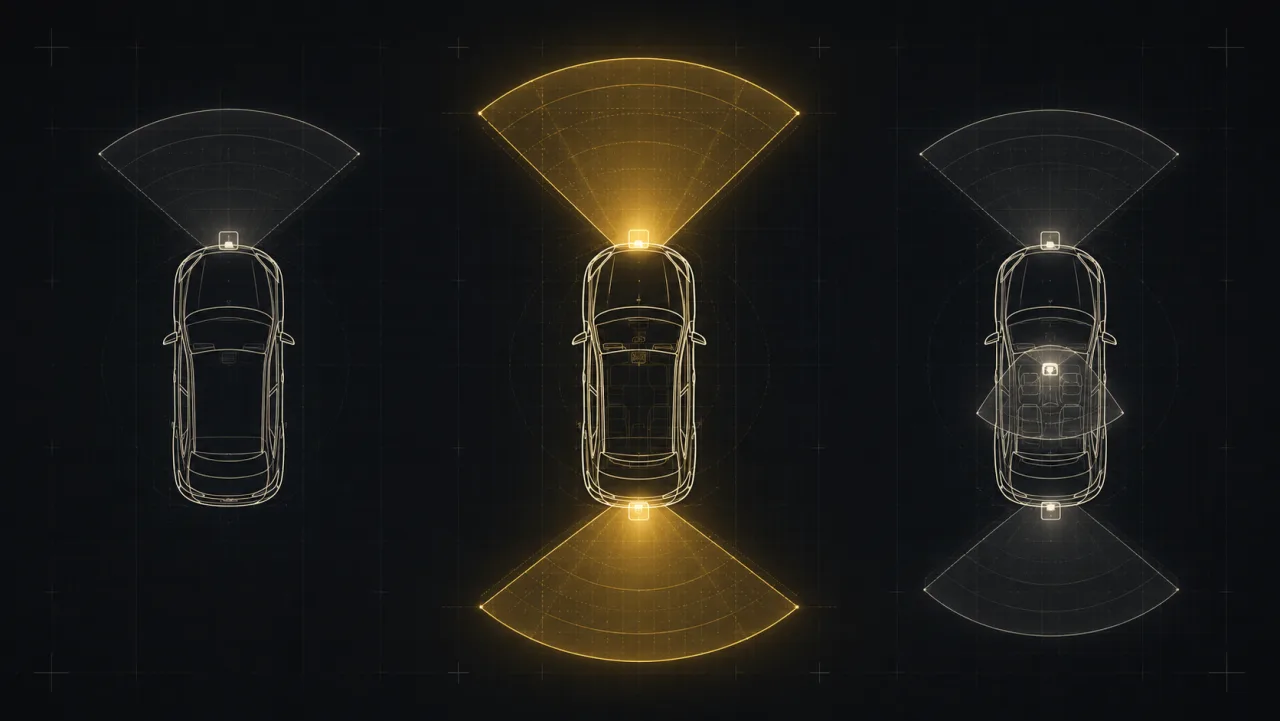
A channel is just a camera. One channel films the road ahead. Two channels add the rear. Three channels add the cabin. The right number is whichever one covers the angles that are most at risk for how you drive and park, not whichever sounds most impressive on the box.
Here’s the data point that tends to settle it for most people: rear-end collisions make up roughly 28% of all crashes (NHTSA). Almost none of them are your fault. And a front-only camera never sees the hit. That single fact is why most drivers should have at least two channels.
1 channel (one camera: the road ahead): the budget floor
A single front camera covers the most common dispute: who ran the light, who drifted the lane, who brake-checked you at 60 mph. Cheapest entry. Easiest install. If you park in a private garage and just want basic crash evidence, it’s enough.
What it misses: the rear-end hit at a stop, the parking lot hit-and-run, anything behind you.
2 channels (two cameras: front and rear): the setup most drivers should buy
Add a rear camera and you cover the two most important angles at once. Both cameras share one recorder and one SD card: the install isn’t double the work, and neither is the price jump. Front + rear is the default recommendation for:
- Daily commuters
- Anyone street parking or parking in lots
- Financed or leased vehicles
This is the 95% solution. If you only ever upgrade once, this is the upgrade.
3 channels (three cameras: front, rear, and cabin): rideshare and fleets
The third channel points inward at the cabin, almost always with infrared night vision so it records in total darkness. That interior view has one job: document what’s happening inside the car.
- Rideshare and delivery drivers → it’s the whole point. Passenger disputes, false claims: footage settles it.
- Fleets and employer vehicles → driver coaching, exoneration, liability.
- Parents of new drivers → a window into late-night drives.
For a private commuter with no regular passengers? Usually overkill.
In our catalog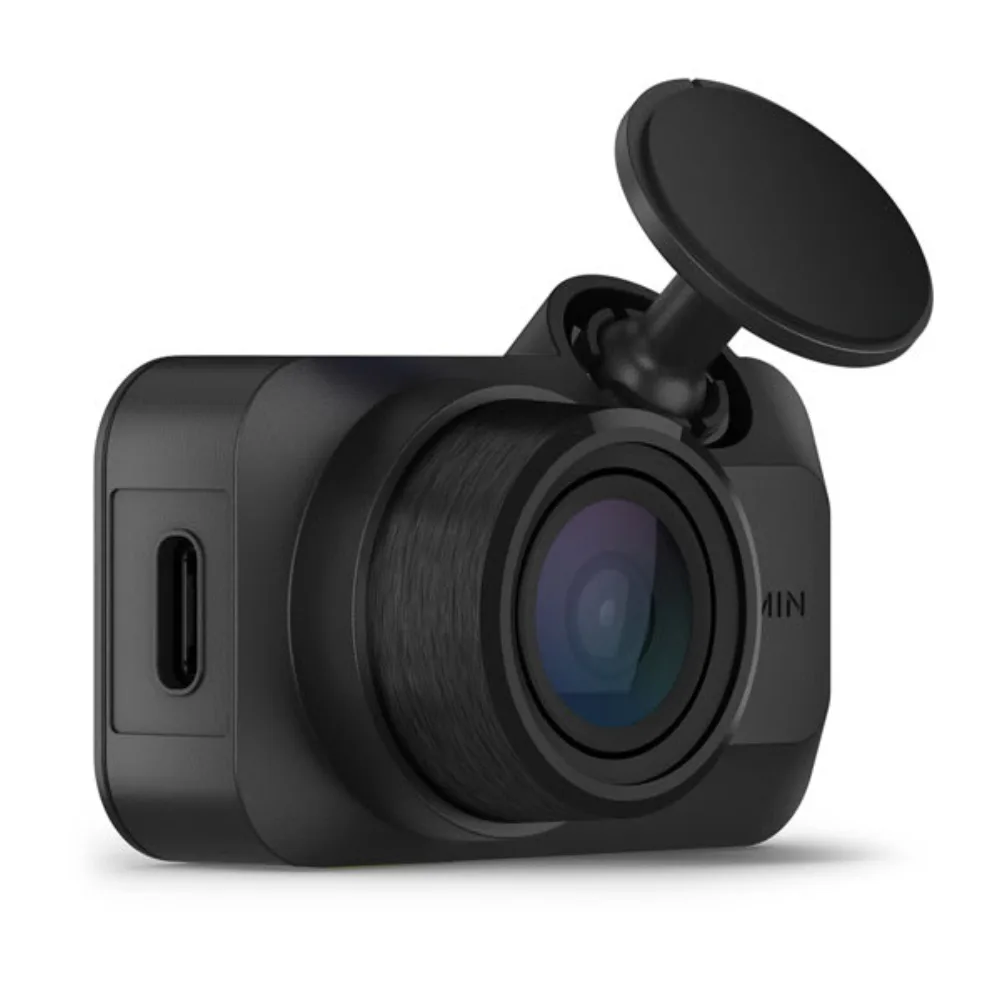 1-channel · GarminGarmin Dash Cam Mini 3around $150See price comparison →
In our catalog
1-channel · GarminGarmin Dash Cam Mini 3around $150See price comparison →
In our catalog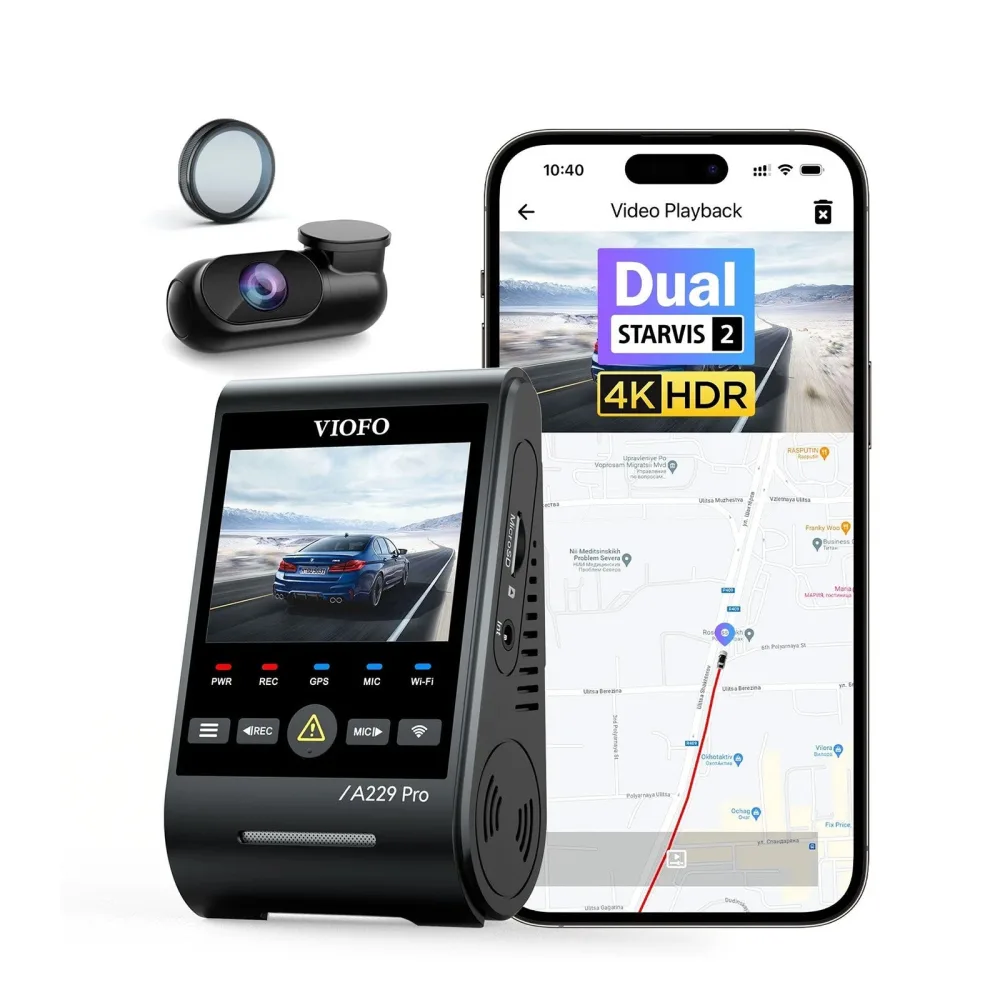 2-channel · ViofoViofo A229 Pro$219-380See price comparison →
In our catalog
2-channel · ViofoViofo A229 Pro$219-380See price comparison →
In our catalog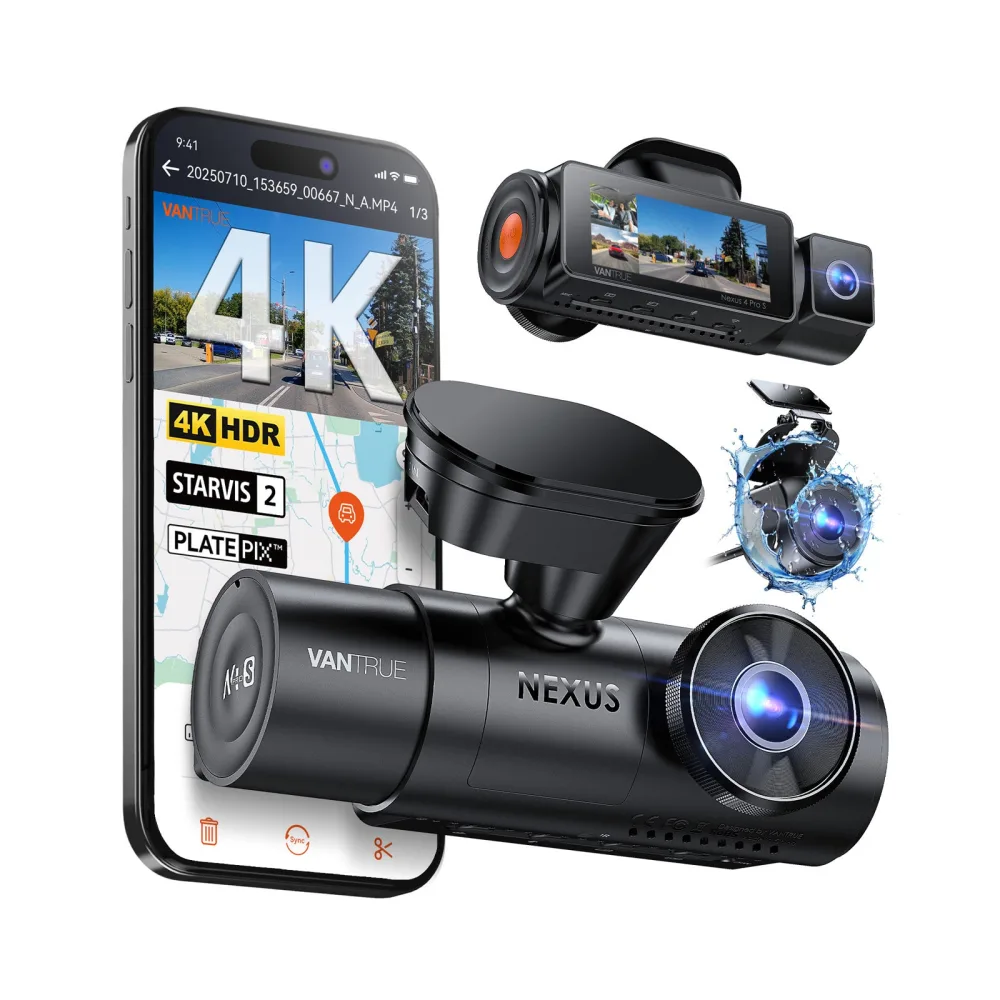 3-channel · VantrueVantrue N4 Pro S$240-280See price comparison →
So which do you buy?
| Your situation | What you need |
|---|---|
| Garage-kept, tight budget | 1 channel |
| Daily driver, street parking, financed car | 2 channels (front + rear) |
| Rideshare, fleet, or teen driver | 3 channels |
Every model we track is tagged by channel count. Filter straight to your answer. See the catalog.
Next question once you’ve picked your channels: power. What parking mode actually means.
See the cams worth buying
We compare listed prices and link you straight to the lowest one, no fake urgency.