Dash Cam Channels Explained: What 1, 2, 3 & 4-Channel Mean
A "channel" is just a camera. Here's what 1, 2, 3, and 4-channel dash cams actually record, how they share one recorder, and which fits how you drive.
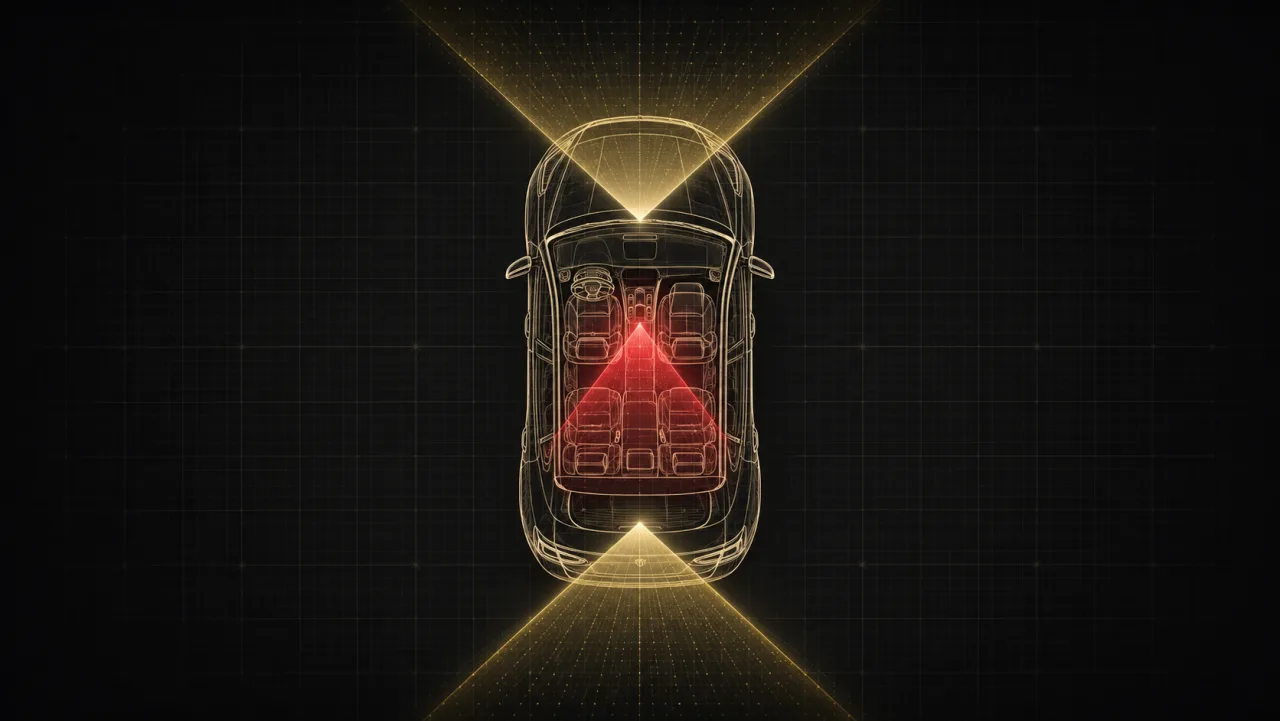
What a dash cam channel actually is
Dash cam channels explained in one sentence: a channel is a camera.
That’s it. One channel means one lens recording one angle. Two channels means two cameras running at once. Three channels, three cameras. Four channels, four. The number just tells you how many directions the system is watching.
Where people get confused is the setup. On most multi-channel systems, all those cameras share a single brain: one main unit with the screen, the processor, and the SD card slot. The extra cameras plug into it. So “3-channel” typically means one recorder with three lenses attached, not three separate dash cams plastered around your car.
That matters for two reasons: adding channels is simpler and cheaper than buying another full camera, and the main unit’s quality sets the ceiling for the whole system. Buy a weak recorder and the extra lenses don’t save it.
Here’s what each setup actually covers, and who it’s for.
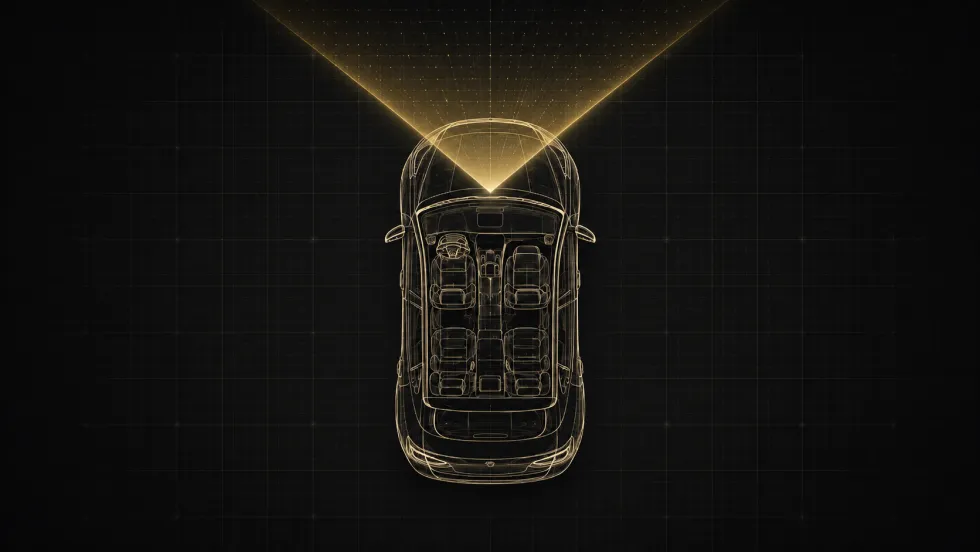
1-channel (one camera: the road ahead): just the basics
A single-channel dash cam faces forward through the windshield. It catches the most common dispute: who ran the light, who drifted the lane, who brake-checked you at 60 mph. One camera. One cable. Simple install, lowest price.
It’s enough if you:
- Keep the car in a garage and rarely street-park
- Want basic crash evidence without the extra wiring
- Are outfitting a second car or a kid’s hand-me-down vehicle
It won’t see: the car that rear-ends you at a red light, a hit-and-run in a parking lot, or anything happening inside the cabin. If any of those sound familiar, keep reading.
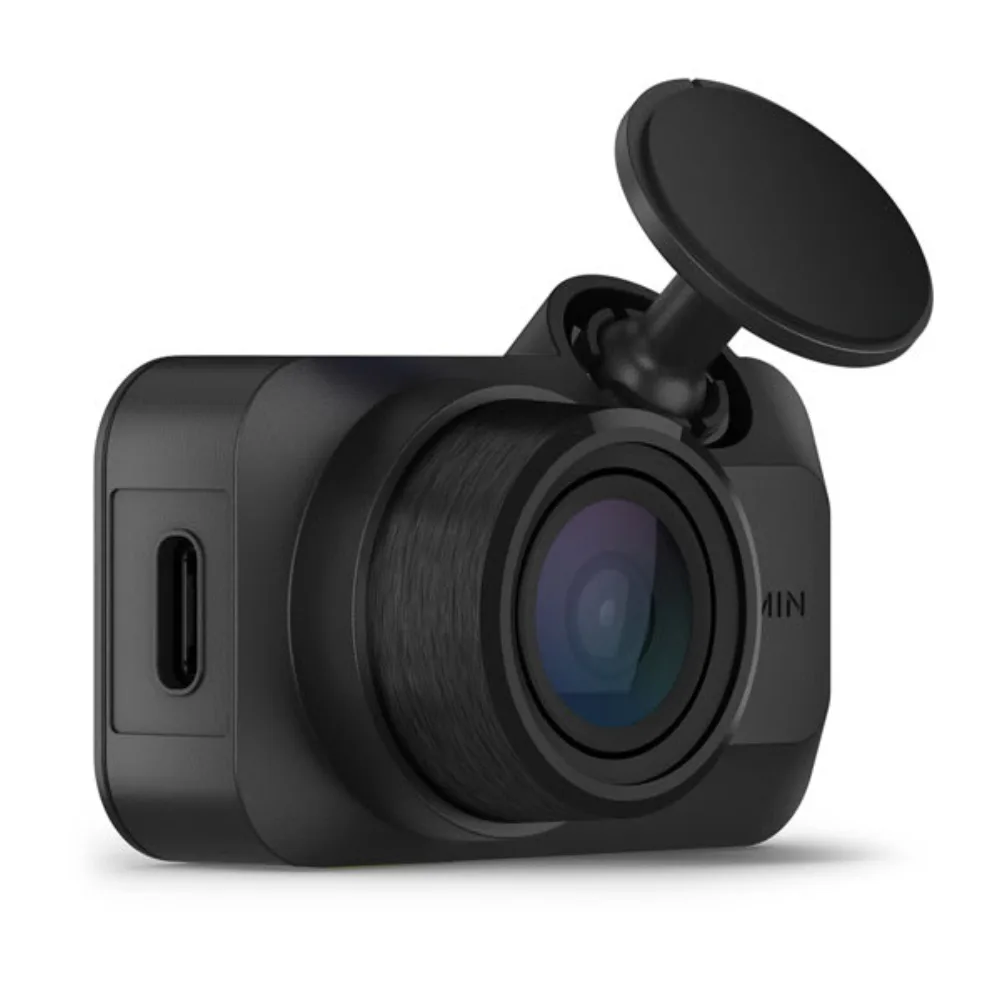 1-channel · GarminGarmin Dash Cam Mini 3around $150See price comparison →
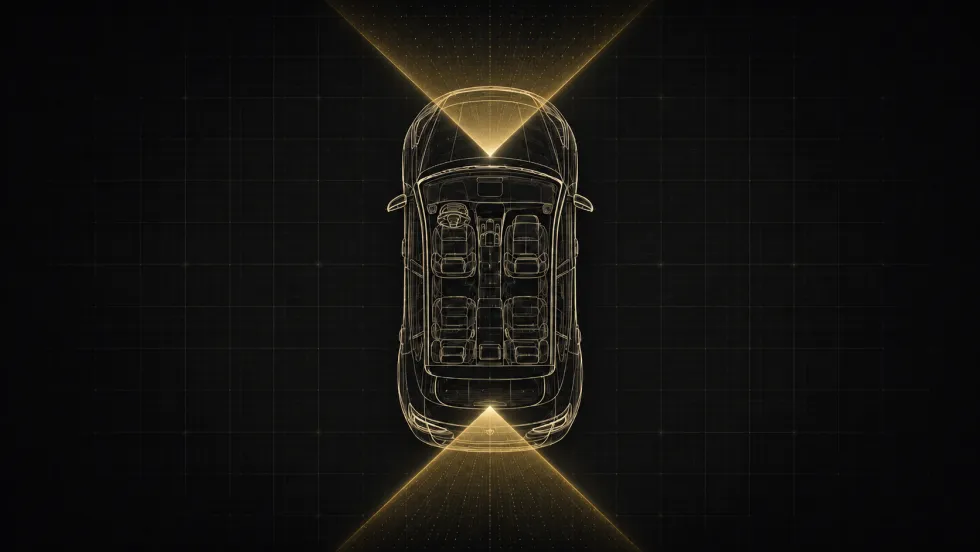
2-channel (two cameras: front and rear): the setup most drivers should buy
A dual-channel dash cam, front and rear, adds a second camera facing out the back glass. This is where most people should land, and the numbers back it up: rear-end collisions account for roughly 28% of all crashes, and almost none of them are your fault. A front-only camera never sees that hit. A 2-channel dash cam does.
The rear lens also catches the quieter, costlier stuff:
- Tailgaters who clip you and claim otherwise
- Parking lot bumps where the other driver walks away
- Anyone who backs into you and keeps moving
Both cameras run off one recorder. One SD card. The install isn’t double the work. If you only upgrade once in your driving life, this is the upgrade.
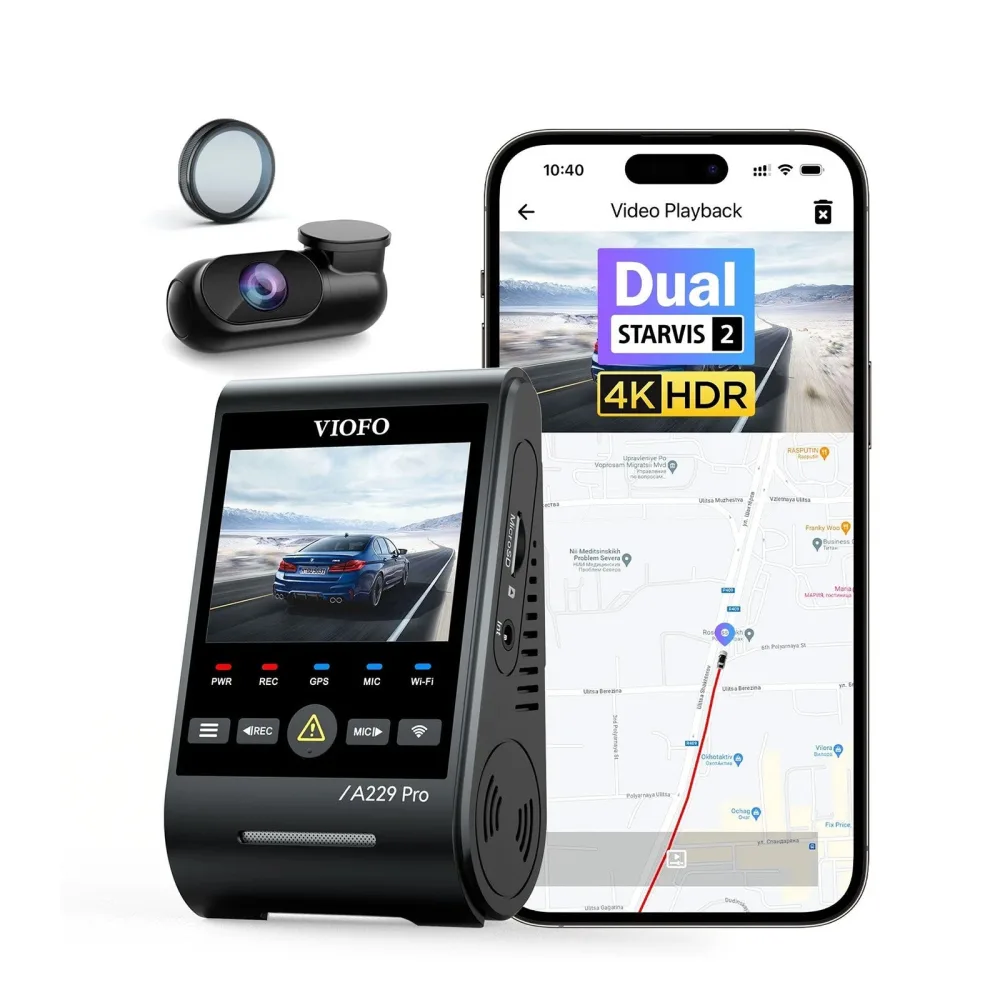 2-channel · ViofoViofo A229 Pro$219-380See price comparison →
3-channel (three cameras: front, rear, and cabin): add the interior
A 3-channel dash cam keeps front and rear and adds a third lens pointing inward at the cabin, almost always with infrared night vision so it records even in total darkness.
That interior view has one clear job: document what happens inside the car.
- Rideshare and delivery drivers: shuts down false passenger claims before they cost you
- Parents of new drivers: you’ll know exactly what’s happening on those late-night drives
- Private commuters: honestly, the cabin camera is probably more than you need
One thing worth knowing: recording audio inside a vehicle triggers consent laws in some states. Worth a quick read before you flip the mic on: where dash cams are legal.
In our catalog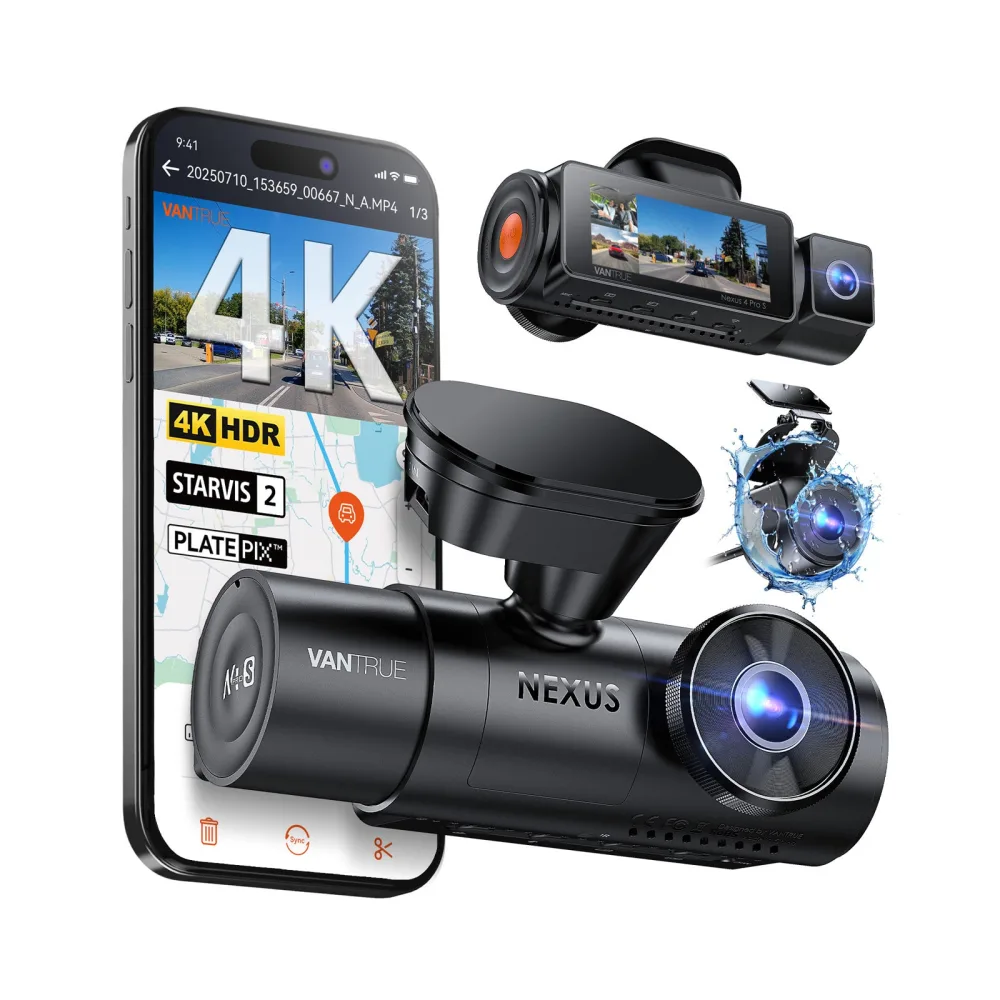 3-channel · VantrueVantrue N4 Pro S$240-280See price comparison →
4-channel (four cameras: front, rear, cabin, plus a side angle): fleets and big rigs
Four-channel systems add a side angle, or split coverage across two recorders. Built for fleets, commercial vehicles, and large rigs where real blind spots justify the extra hardware.
For an everyday car or SUV? Skip it unless you’re managing vehicles for a living.
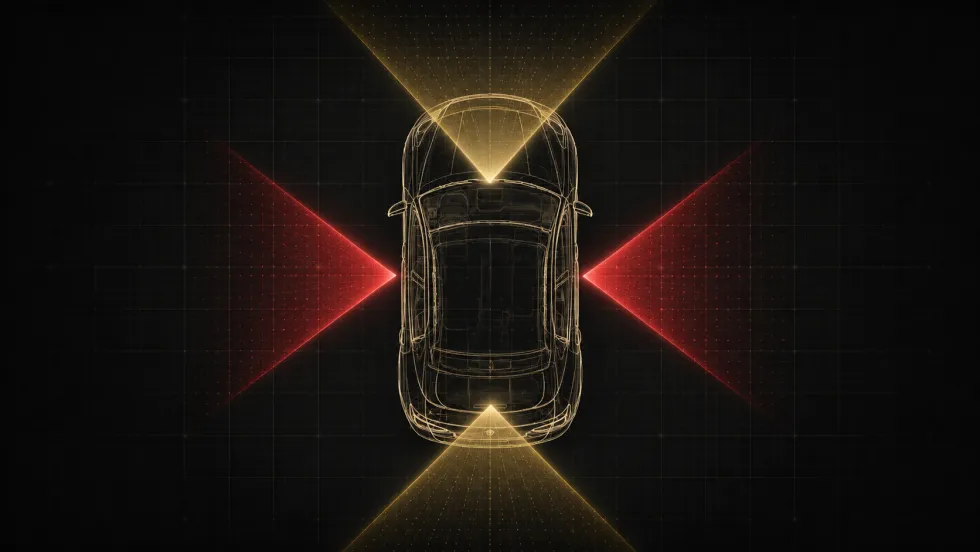
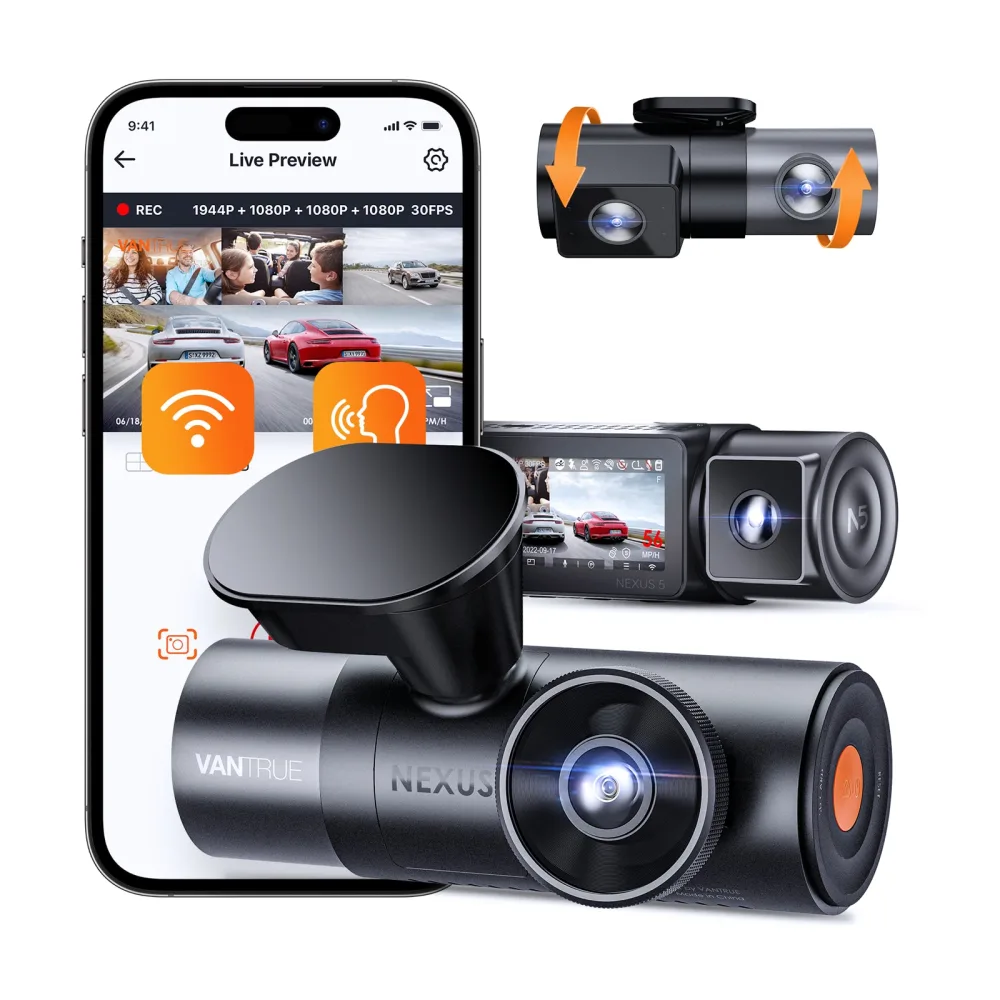 4-channel · VantrueVantrue N5around $350See price comparison →
Do more channels hurt quality or eat the card faster?
Two trade-offs the spec sheets tend to gloss over:
- Storage fills faster. Every channel writes its own video stream. A 3-channel setup burns through an SD card noticeably quicker than a single. Size the card up to match: what SD card your dash cam actually needs.
- Resolution can quietly drop. On cheaper systems, the front camera takes a hit when rear and cabin are both recording. Better systems run each channel at full resolution independently. Read the spec for each lens individually. Don’t trust the headline number on the box.
Which channel count is yours?
| Your situation | What you need |
|---|---|
| Garage-kept car, tight budget | 1 channel |
| Daily driver, street parking, financed vehicle | 2 channels (front + rear) |
| Rideshare, delivery, or a teen driver | 3 channels |
| Fleet, RV, or commercial vehicle | 4 channels |
Still weighing it? The full breakdown lives here: how many dash cam channels do you actually need?
The bottom line
Channels are cameras. Cameras are angles. Most drivers do just fine with two. Rideshare drivers and parents want three. Fleets are where four earns its keep.
Once you know your number, every camera in the catalog is tagged by channel count. Filter straight to what fits. Browse the catalog.
See the cams worth buying
We compare listed prices and link you straight to the lowest one, no fake urgency.