4K vs 2K Dash Cam: Does 4K Really Read Plates Better?
More pixels sound better, but resolution is only one of four things that decide whether you can read a plate.
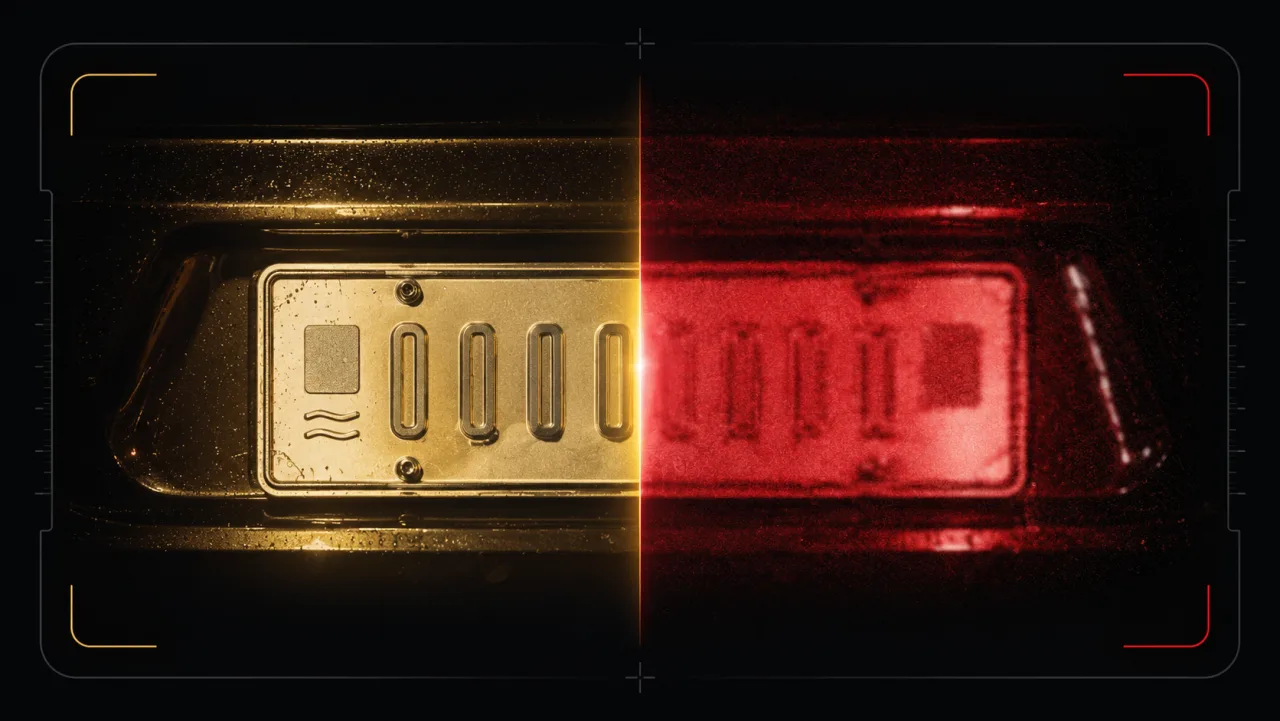
The real question under the spec
4K vs 2K dash cam debates always come back to one thing: will it actually read the plate? That’s what the extra money is supposed to buy. So let’s answer it straight.
4K (2160p) records more than twice the pixels of 2K (1440p), about 8.3 megapixels versus 3.7. On a spec sheet, that looks like a clear win. In the real world, resolution is only one of four things that decide whether your footage is actually useful, and it’s not the most important one.
What more pixels actually get you
More resolution does one genuinely useful thing: it gives you room to zoom. A plate 30 feet away occupies more pixels on a 4K sensor, so when you crop in to read it, there’s more detail to work with.
That’s real. On highways, where everything is far away, those extra pixels earn their keep.
What more pixels can’t do is fix bad light. Four times the pixels of a noisy night shot is just a bigger noisy night shot. Which is why these three factors beat resolution every time:
- Sensor: a quality sensor (Sony Starvis 2 is the current benchmark) gathers cleaner light and handles night far better than a cheap sensor at a higher resolution.
- HDR/WDR: controls headlight glare and deep shadow, the two things that wreck night plates.
- Bitrate: the data-per-second the camera actually writes. A 4K camera capped at a low bitrate throws away the very detail you paid 4K to capture. A well-encoded 2K can out-resolve a starved 4K.
A “4K” sticker on a weak sensor is marketing. A 4K camera built on a strong sensor with a high bitrate is genuinely excellent.
When 4K is worth it
- Highway and rural driving: far-away plates and signs benefit from the extra pixels to crop into.
- Single front-camera setups: put the whole budget into one outstanding sensor.
- You regularly pull and review footage when something happens.
When 2K is the smarter buy
- Front + rear systems: two strong 2K channels beat one great 4K paired with a mediocre rear, and most plate disputes happen close-up where 2K is plenty.
- City and night driving: sensor and HDR decide more than raw resolution.
- Longer recording loops: 4K fills cards faster and churns through them harder. Size the card accordingly.
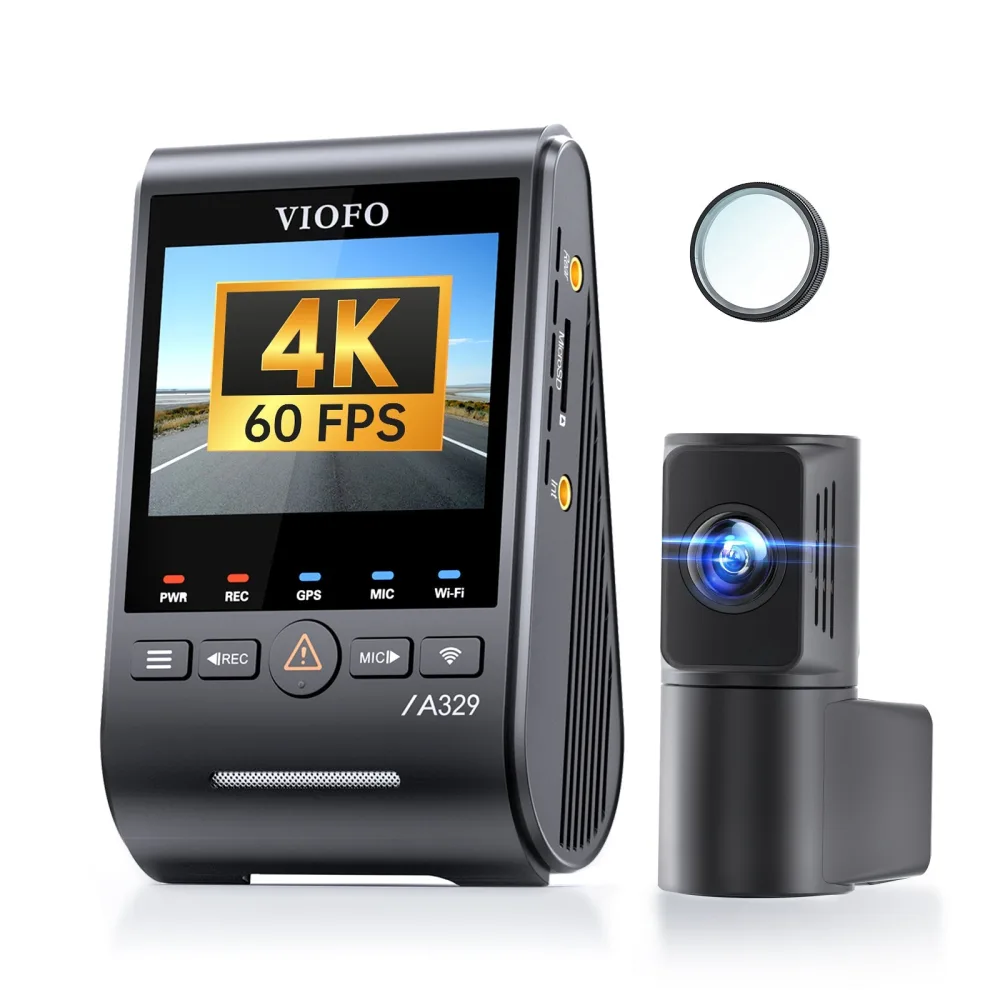 1-channel · ViofoViofo A329Saround $280See price comparison →
In our catalog
1-channel · ViofoViofo A329Saround $280See price comparison →
In our catalog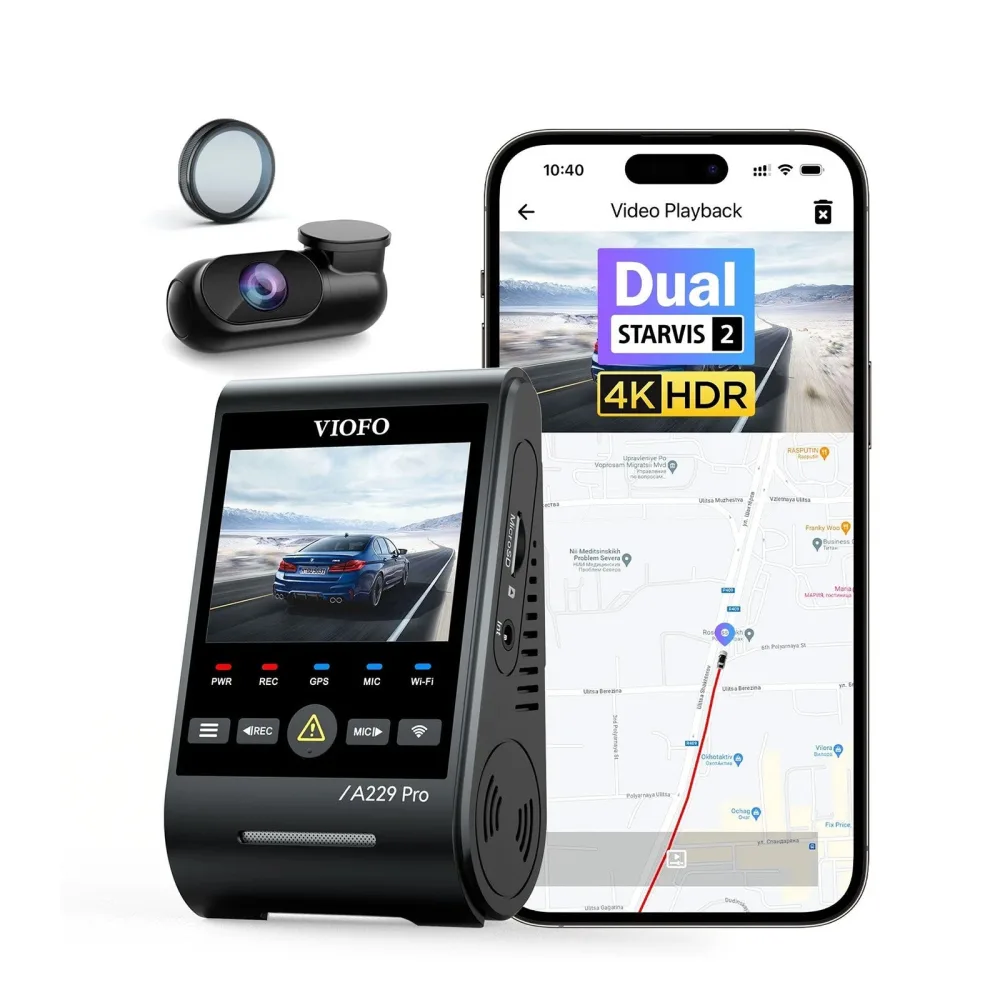 2-channel · ViofoViofo A229 Pro$219-380See price comparison →
Bottom line
Don’t shop the resolution number. Shop the sensor, confirm strong HDR, and check the bitrate, then let resolution break the tie. A well-built 2K beats a badly-built 4K at the only job that matters.
Every model we track lists its sensor so you can buy on substance, not the sticker. See the catalog.
For the real-world limits on plate legibility at any resolution: can a dash cam actually read license plates?
See the cams worth buying
We compare listed prices and link you straight to the lowest one, no fake urgency.