The Best 4K Dash Cams: What Actually Matters & Which to Buy
Not all 4K dash cams are created equal. Here's what true 4K means, which features really matter, and the top models worth your money.
What “4K” Really Means in Dash Cams
True automotive 4K means 3840×2160 pixels: about four times the detail of 1080p. Some budget cams advertise 4K but internally record at a lower resolution and upscale the image, which defeats the purpose. To get real 4K, look for a model with at least an 8 MP image sensor and a manufacturer that publishes native resolution specs clearly. Native 4K can help preserve details like license plates, faces, and road signs, especially when zooming in.
Core Features That Matter
Image & Optics
- Sensor quality: Modern Sony STARVIS or STARVIS 2 sensors are preferred for excellent low-light performance and reduced noise.
- HDR/WDR: High dynamic range helps balance bright headlights and dark shadows in the same frame, which may improve plate readability at night.
- Lens: Multi-element glass lenses (often 6-glass) reduce distortion and improve sharpness.
- Field of view: Many 4K cams offer a wide field of view. Wider coverage means you see more, but edges may slightly distort. Check the specifications for the exact angle.
Channels: How Many Cameras Do You Need?
- 1-channel (front only): Simplest, cheapest, but misses rear incidents.
- 2-channel (front + rear): The current sweet spot for real-world protection: covers both ends.
- 3-channel (front + rear + interior): Ideal for rideshare, taxi, or fleet use.
Recording & Storage
- Bitrate & codec: Higher bitrates and H.265/HEVC encoding preserve fine detail in 4K video. Manufacturers that openly state bitrate are usually more transparent.
- Loop recording: Standard; overwrites oldest footage when the card is full.
- G-sensor: Locks clips on impact so they aren’t overwritten.
Parking Mode
Parking mode lets the cam monitor your car while parked. It typically requires a hardwire kit to the fuse box or an external battery pack. Common parking modes include:
- Impact-triggered: Wakes and records only when a bump is detected; low power use but may miss the lead-up.
- Motion detection: Records when motion is seen. Catches suspicious activity but can false-trigger in busy areas.
- Time-lapse: Continuously records at ~1 fps, always-on coverage with reduced file sizes; often combined with impact detection to switch to full frame rate during events.
Many high-end cams let you choose between these modes or use a hybrid approach.
Power & Heat Management
Supercapacitors are generally more reliable than lithium-ion batteries in a car’s hot cabin. They tolerate wide temperature ranges suitable for automotive use, making them the preferred choice for 4K dash cams.
Top 4K Dash Cams to Consider
Below are standout models with true native 4K and well-regarded performance. We focus on models with clear specs and proven reliability.
Viofo A229 Pro
A highly versatile 2-channel or 3-channel system with front 4K and up to 2K rear/interior. It uses a Sony STARVIS 2 sensor (front) and STARVIS sensors for rear/cabin depending on variant, offers selectable parking modes (requires hardwire kit), and runs on a supercapacitor for heat durability. Wi-Fi and GPS are built in.
In our catalog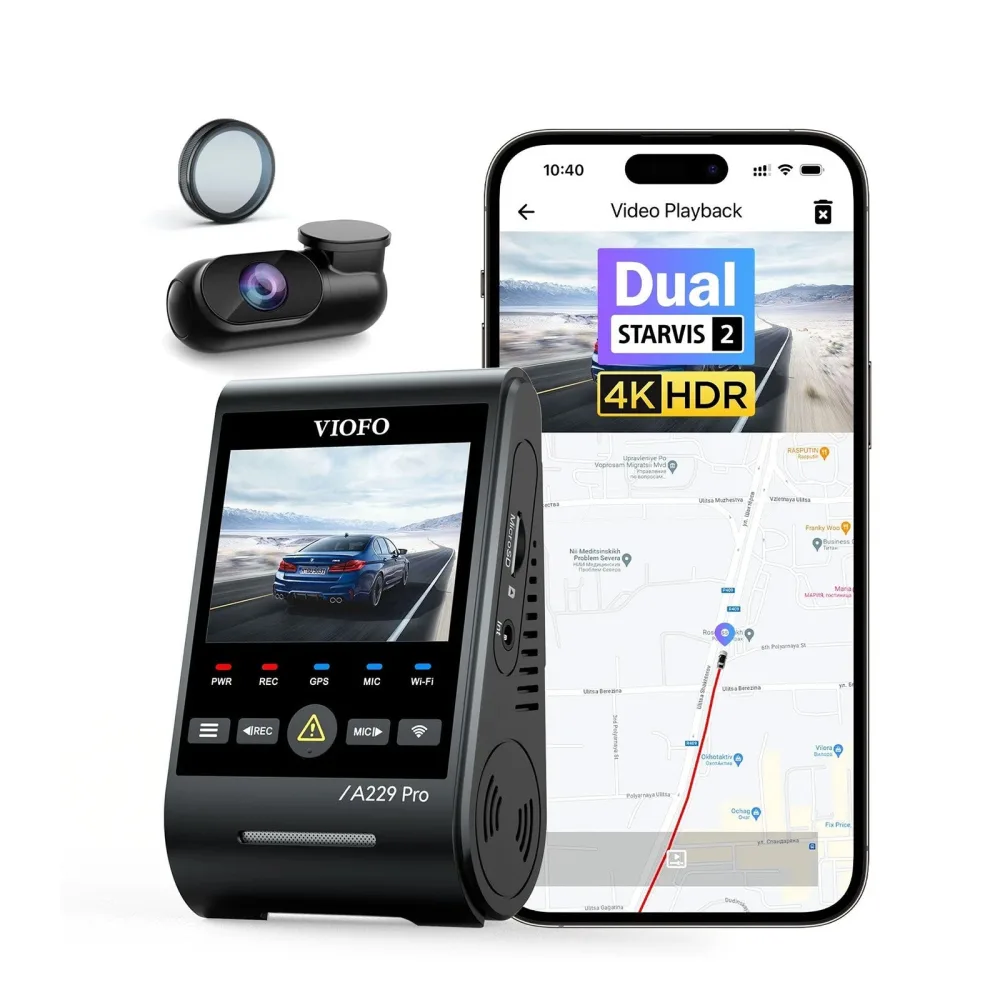 2-channel · ViofoViofo A229 Pro$219-380See price comparison →
Thinkware U3000
A premium 2-channel 4K dash cam with front 4K and rear up to 2K QHD. It features radar-assisted parking mode for improved detection, plus cloud connectivity (requires optional LTE module). The supercapacitor design handles heat well, and built-in GPS and Wi-Fi are standard.
In our catalog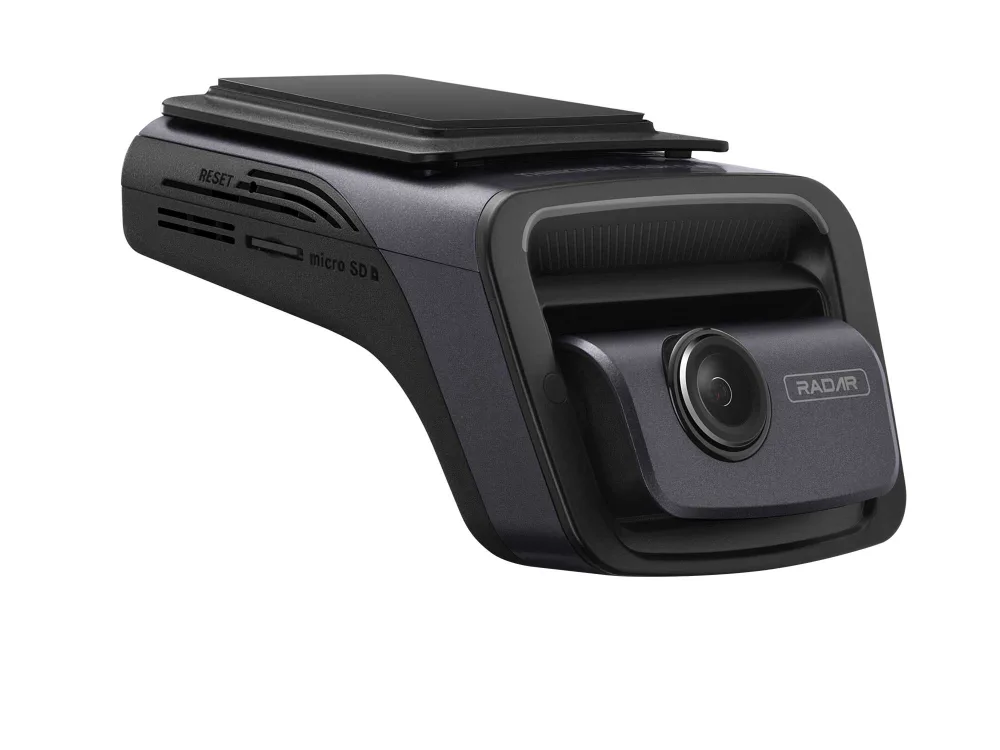 2-channel · ThinkwareThinkware U3000around $400See price comparison →
BlackVue DR970X-2CH
Another high-end option with front 4K and rear 1080p. It’s known for its sleek cylindrical design, buffered parking mode, and cloud integration for live view and alerts (requires LTE module). The DR970X uses a supercapacitor and supports HEVC encoding for efficient file sizes.
In our catalog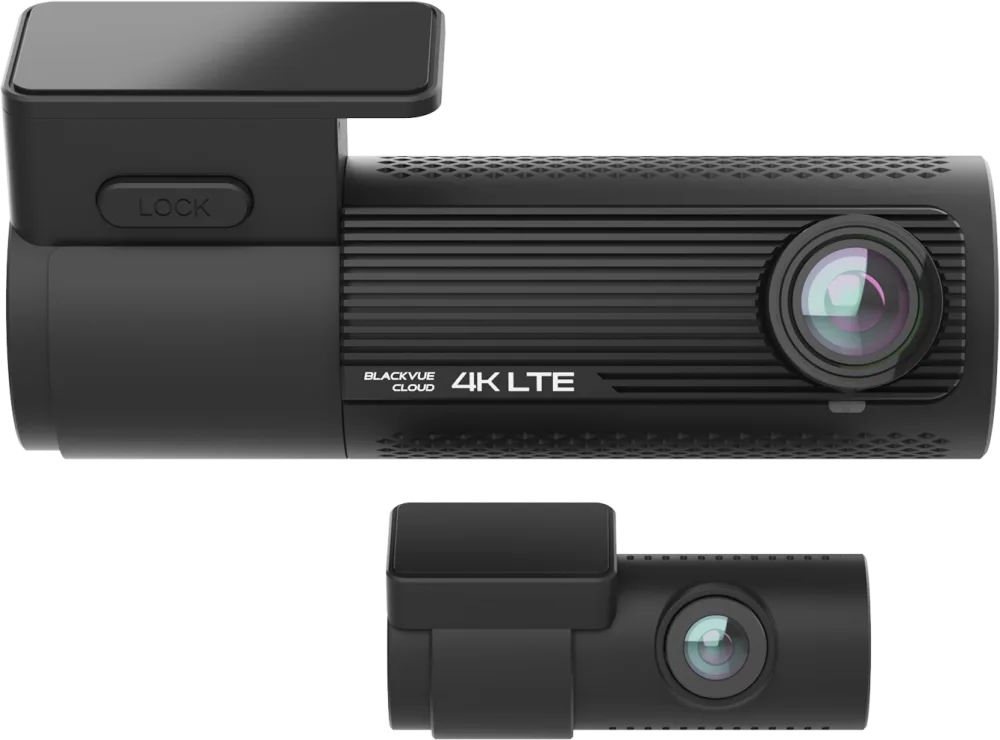 2-channel · BlackVueBlackVue DR970X-2CH$305-650See price comparison →
Vantrue S1 Pro Max
A dual 4K system: both front and rear cameras record in 4K resolution, making it a standout for those who want maximum detail from both ends. It offers parking modes (impact/motion detection, low-bitrate continuous), GPS, and Wi-Fi. The unit uses a supercapacitor for better heat tolerance.
In our catalog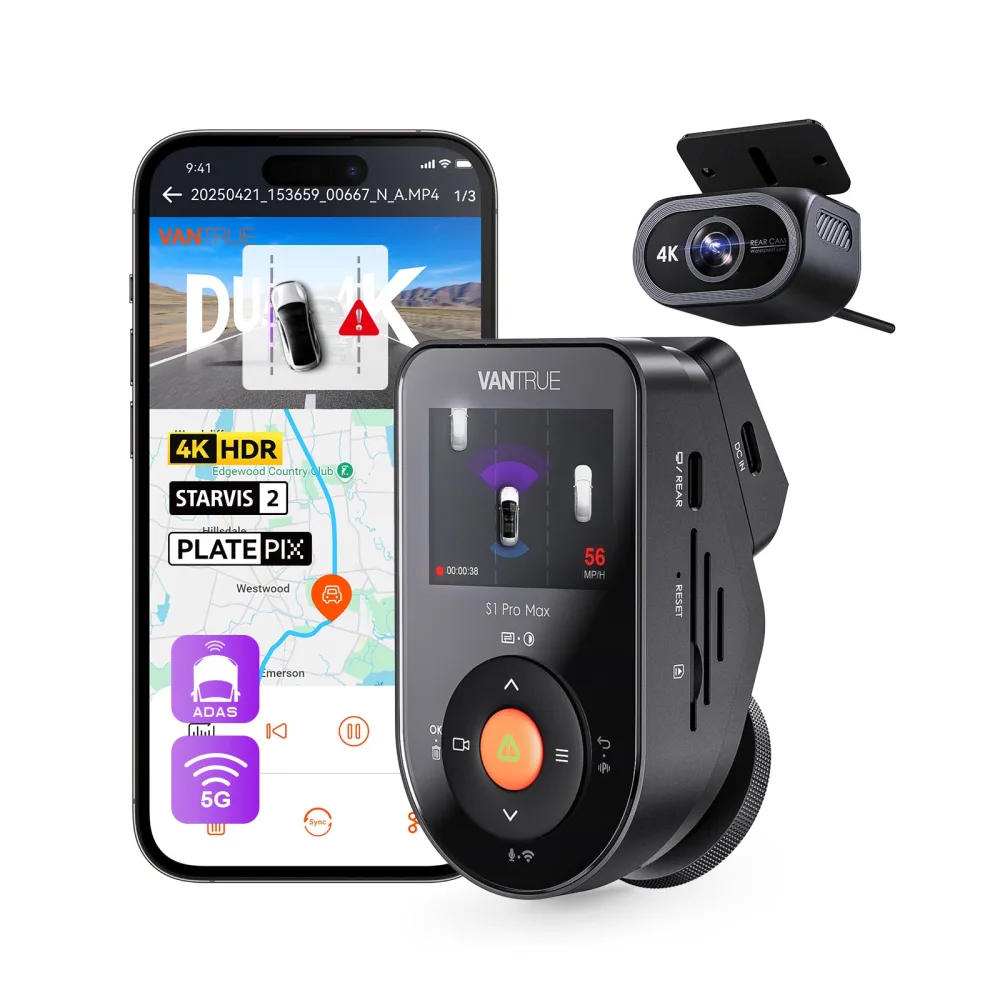 2-channel · VantrueVantrue S1 Pro Maxaround $200See price comparison →
Viofo A329
A single-channel 4K cam with the option to add rear or interior cameras (sold separately) for multi-channel use. It features a Sony STARVIS 2 sensor, excellent night performance, and multiple parking modes. The A329 is a great choice for those who want a strong front cam now with upgradeability later.
In our catalog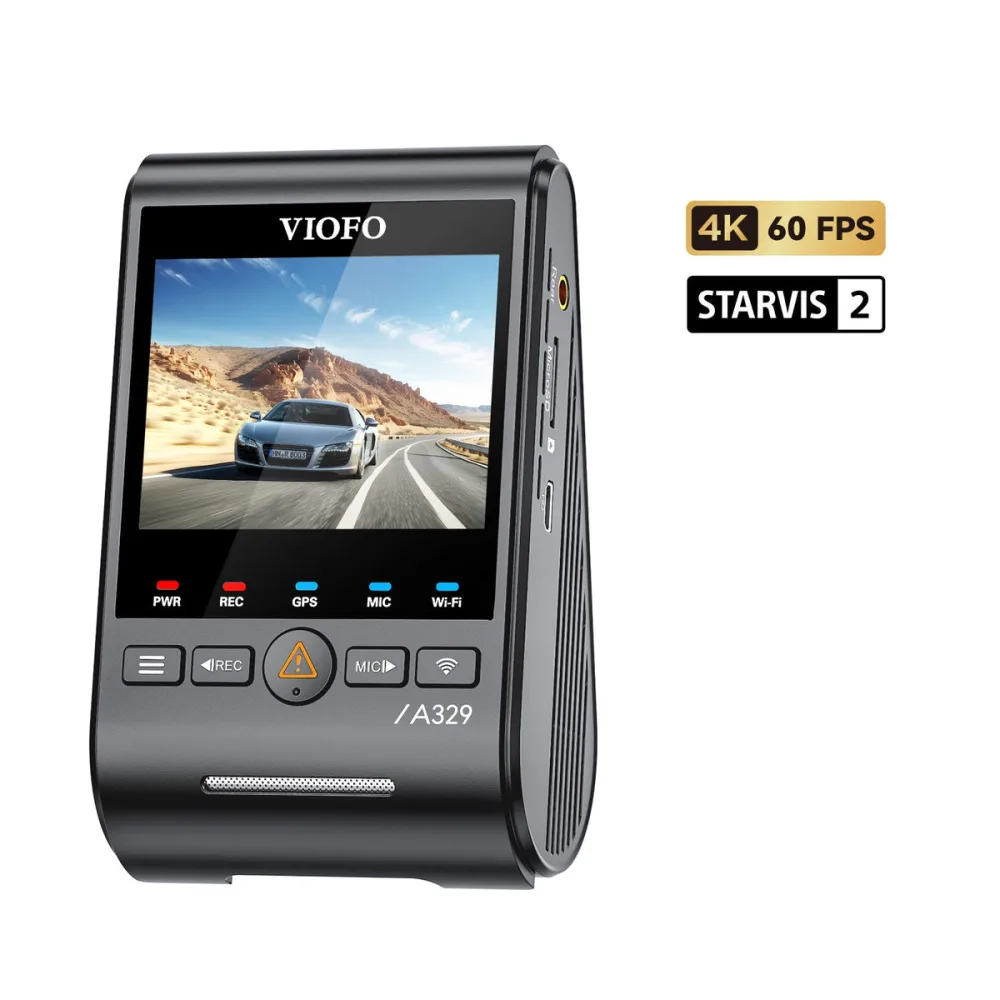 1-channel · ViofoViofo A329$200-240See price comparison →
How to Choose the Right 4K Dash Cam
Start by deciding how many channels you need. For most drivers, a 2-channel system (front + rear) is the best bang for the buck. If you’re on a tighter budget or only concerned about forward events, a high-quality 1-channel 4K cam like the Viofo A329 is a strong pick. Rideshare and fleet drivers should consider 3-channel options like the Viofo A229 Pro (3CH variant).
Next, think about parking mode. If you park on the street or in a lot with frequent incidents, look for a cam with buffered parking mode that captures a few seconds before an event. Remember that parking mode usually requires a hardwire kit or external battery; factor that into your budget.
Finally, don’t overlook storage. 4K footage eats up SD card space fast. Use a high-endurance microSD card (64GB or larger, U3 speed) and format it regularly in the camera.
Final Take
A quality 4K dash cam is a worthy investment for clear evidence when you need it most. Focus on native resolution, a good sensor (Sony STARVIS or similar), reliable parking mode, and a supercapacitor for longevity. The models above cover a range of budgets and configurations; pick the one that fits your driving needs.
See the cams worth buying
We compare listed prices and link you straight to the lowest one, no fake urgency.